

Pediatric Movements
Highly Specialized Infant Feeding Therapy with a Whole Body Approach
Tongue Ties, Bottle and Breastfeeding, Tension, Head Shape, Torticollis and Milestone Expert.
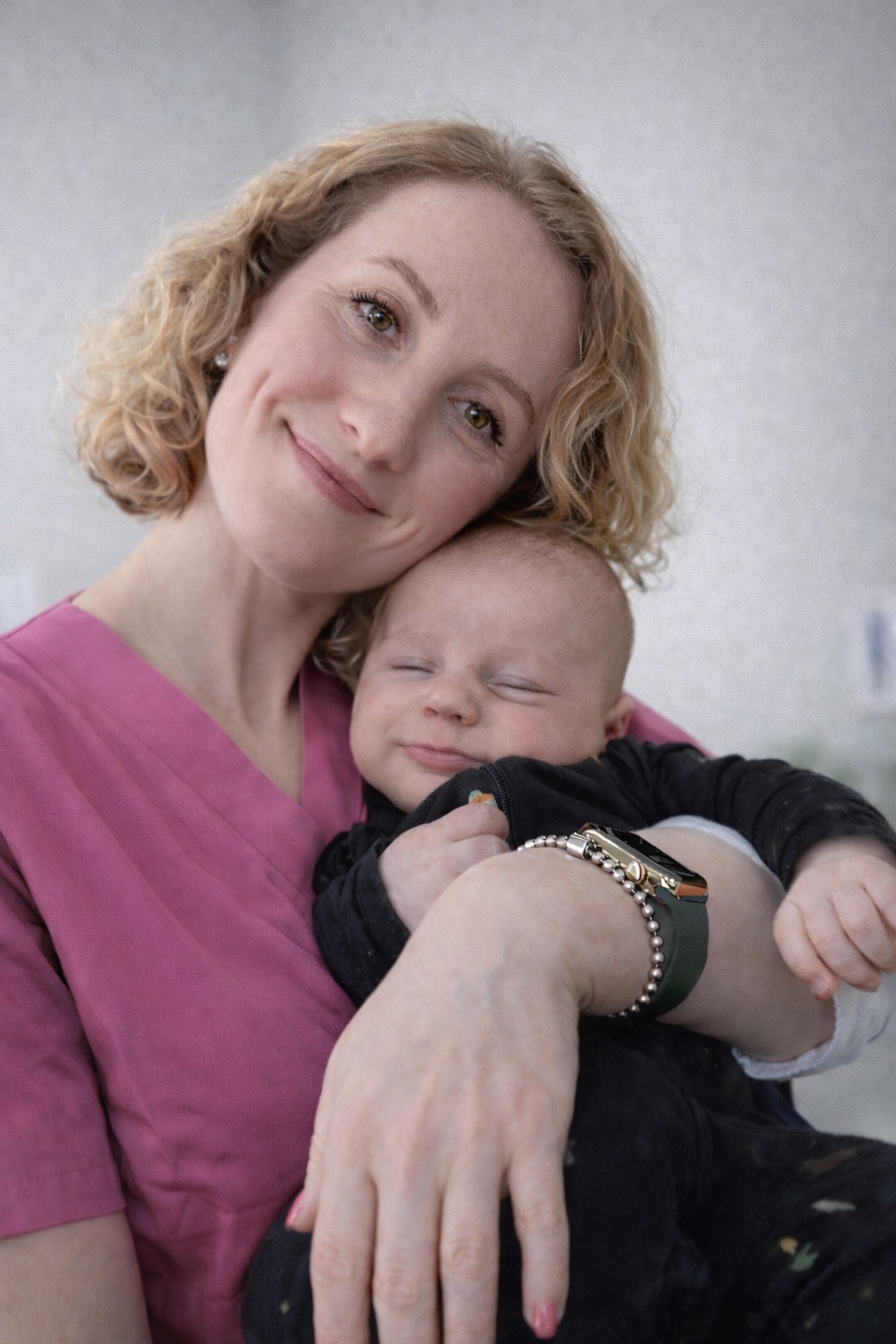
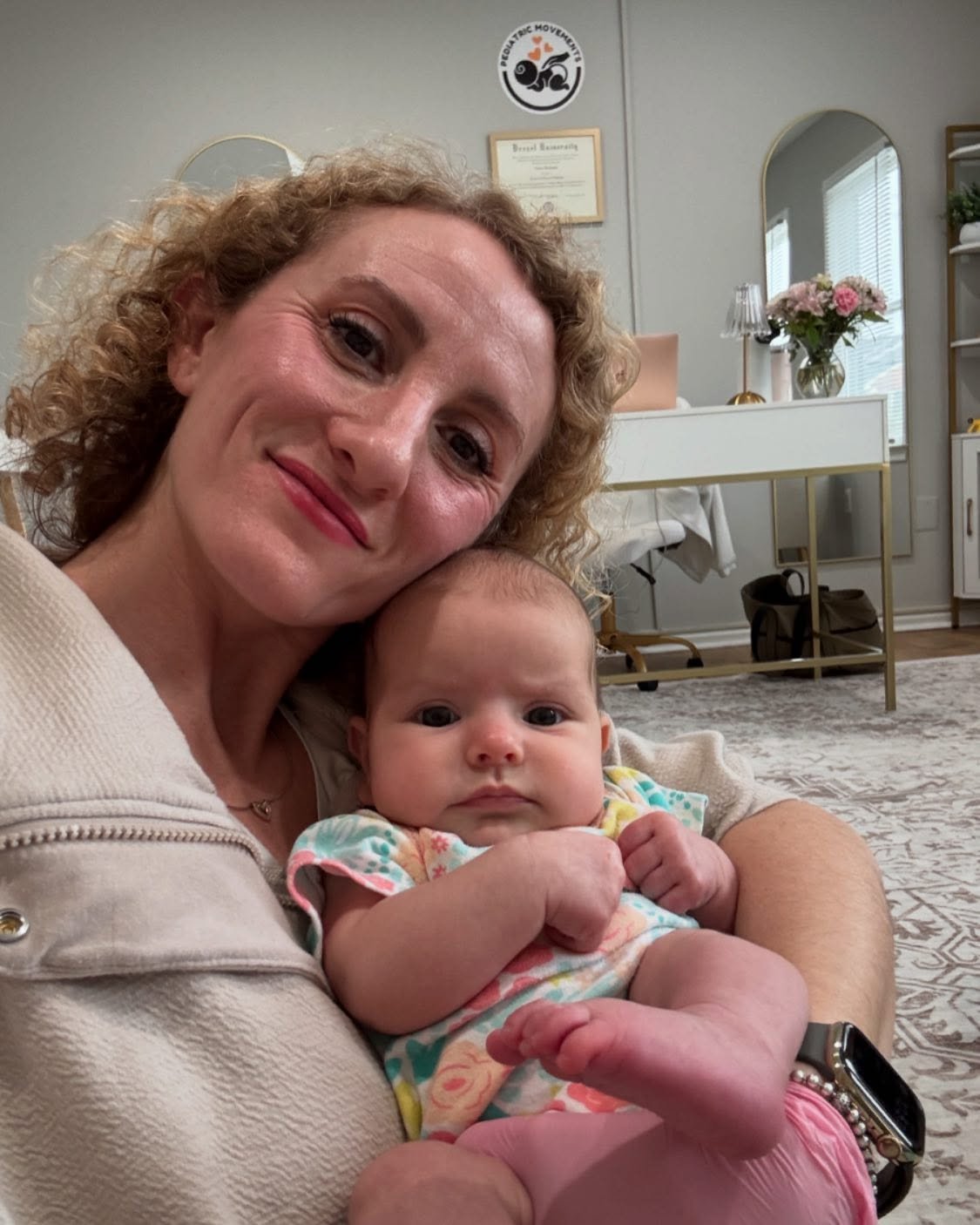
Meet Dr. Nalan Gursoy, PT, DPT
Founder and Owner of Pediatric Movements
I’m Dr. Nalan, a doctor of physical therapy and oral motor specialist with over 15 years of experience.
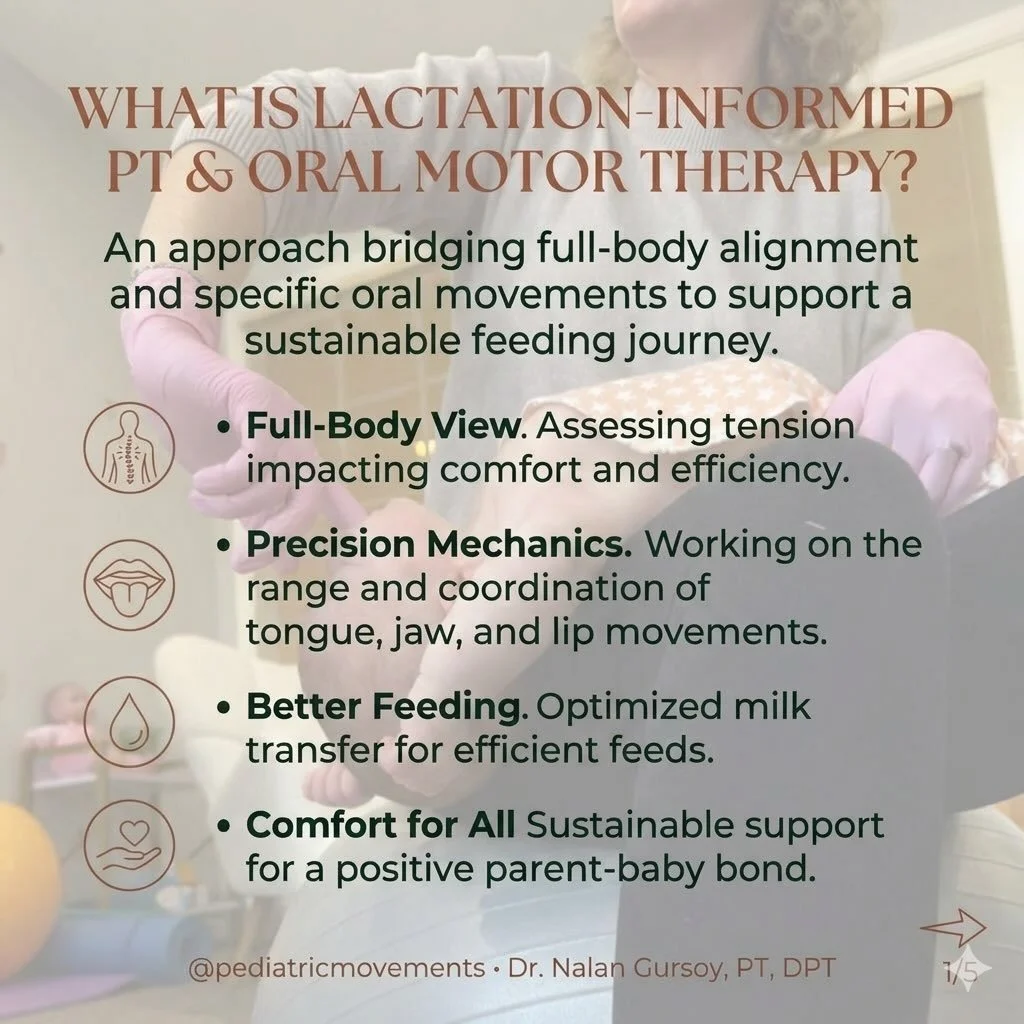
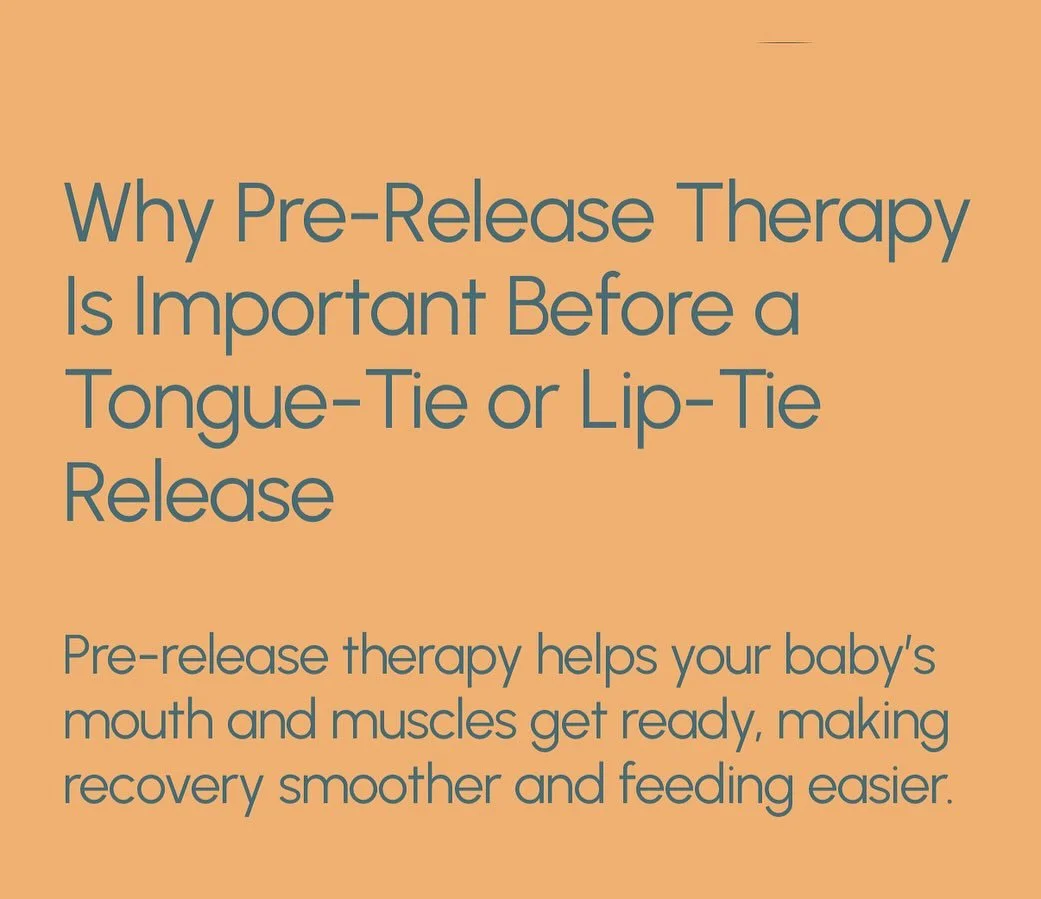
I offer a comprehensive, whole-body approach to feeding challenges, and take a holistic approach to finding the root cause of feeding issues, which is essential before going directly to a release procedure.
I have treated thousands of infants across the DMV area, helping them achieve significant success in overcoming body tension and reaching their feeding goals.
I look forward to supporting you and your little one on this journey!

How we can help your baby
Feeding Therapy
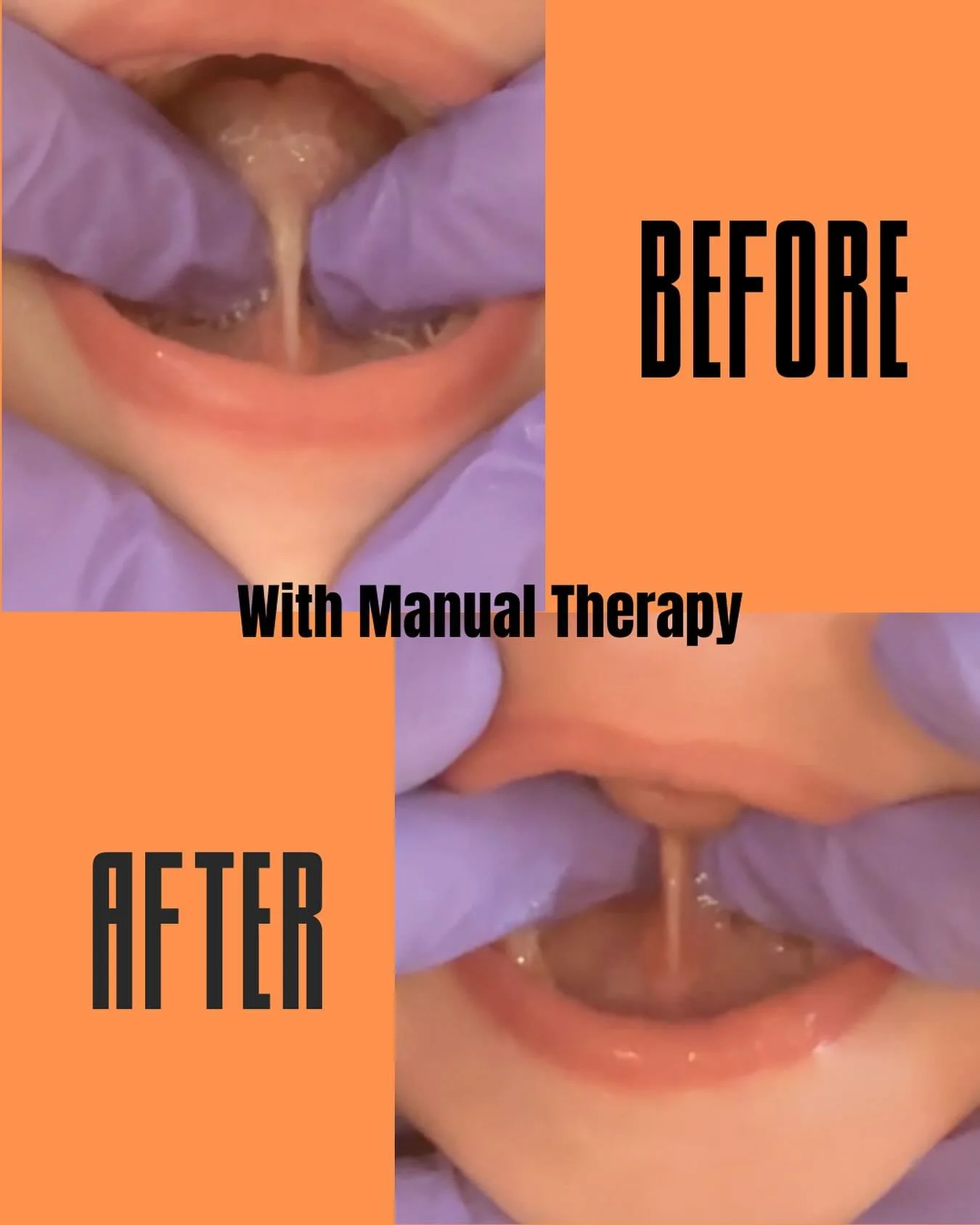
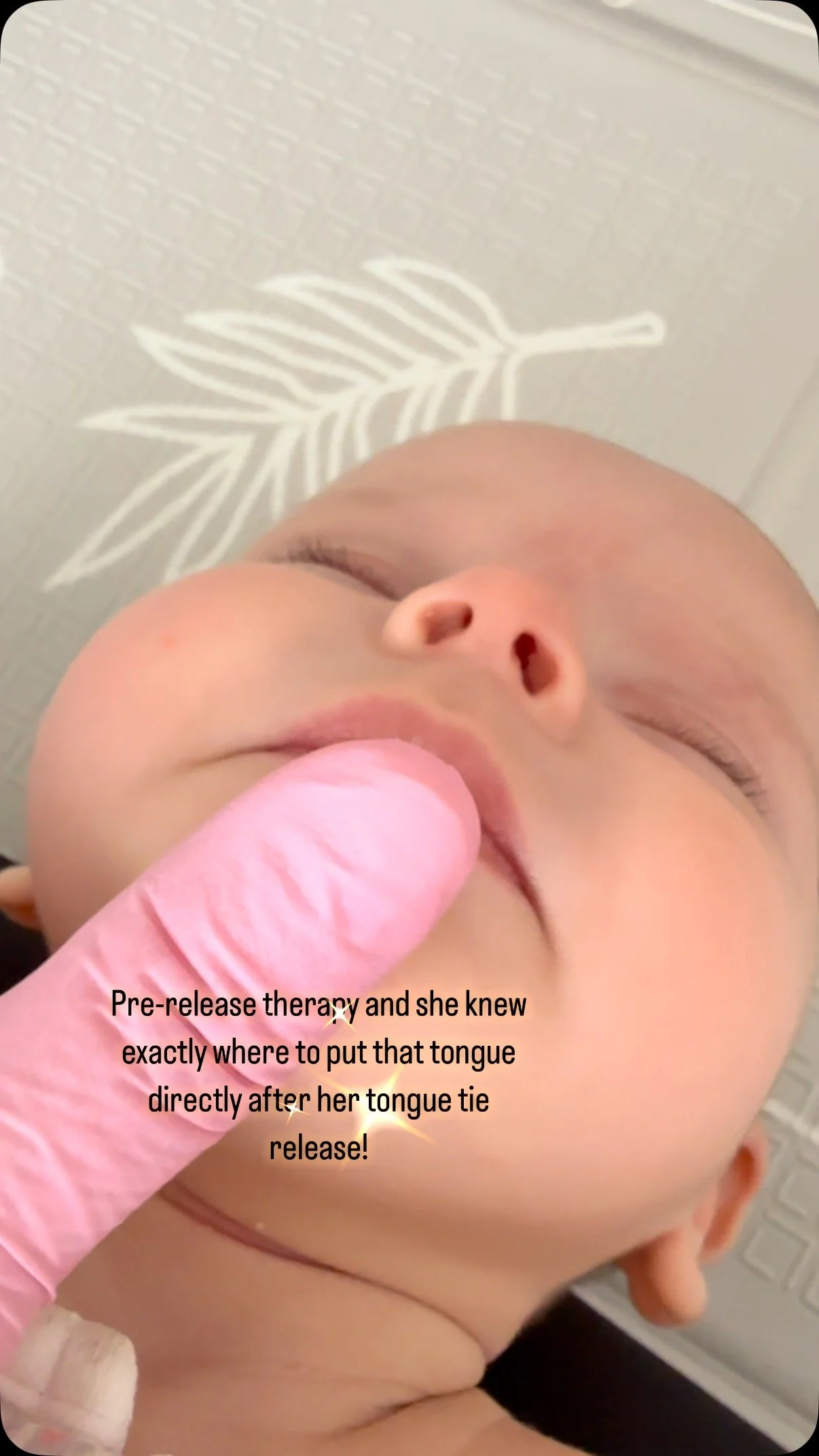
Tongue and Lip Tie Therapy
Pre and Post Frenectomy Therapy
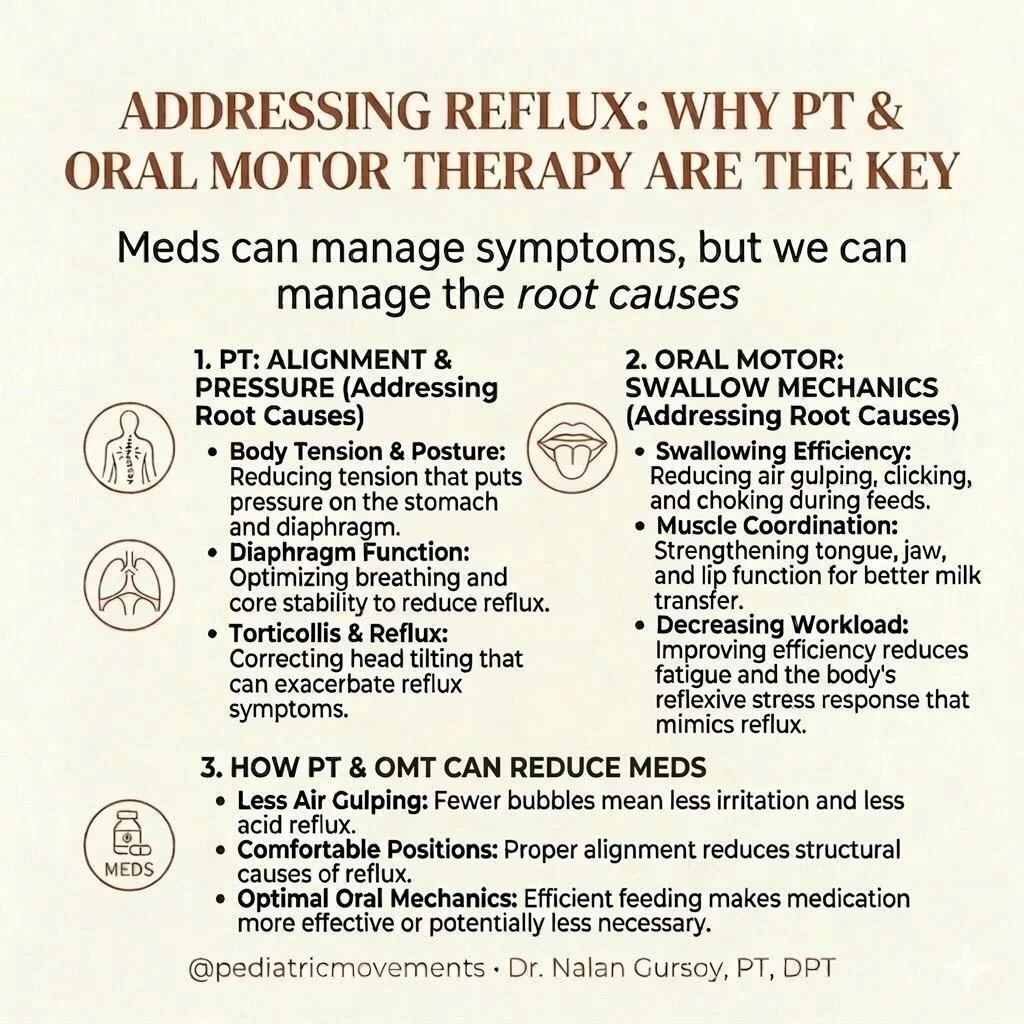
Gassiness, Fussiness, Reflux Treatment
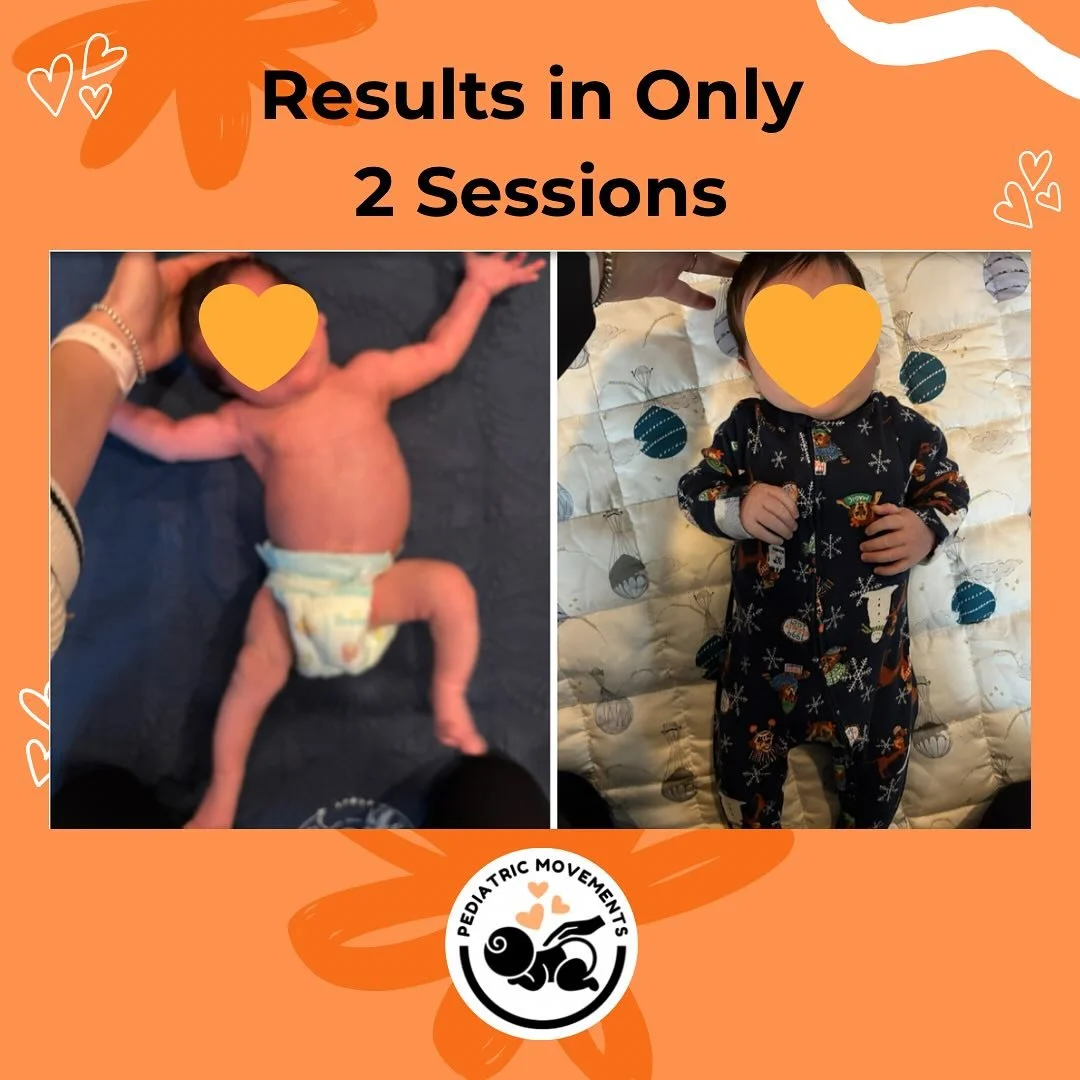
Torticollis and Body Tension Treatment
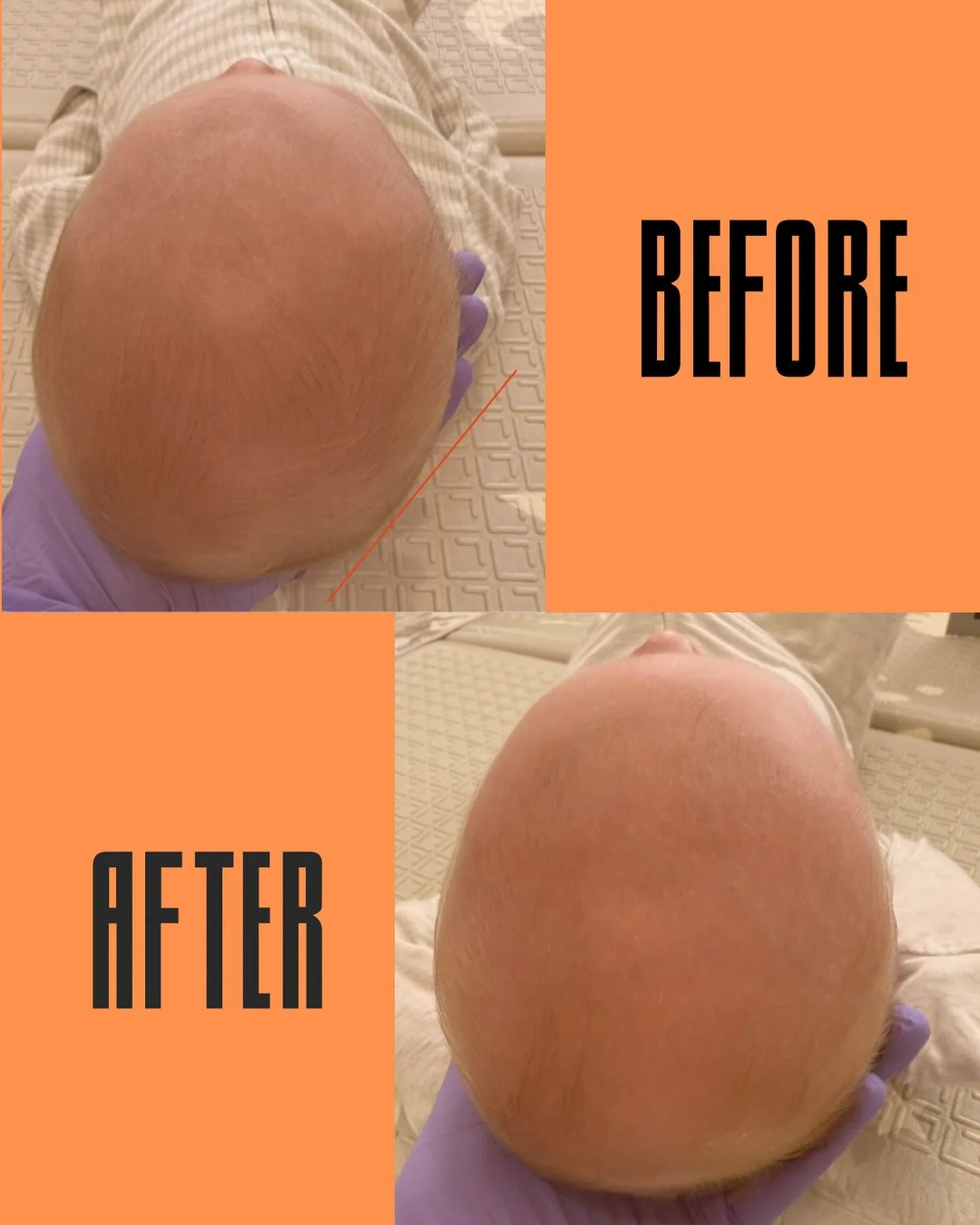
Head Shape Correction
Milestone Support
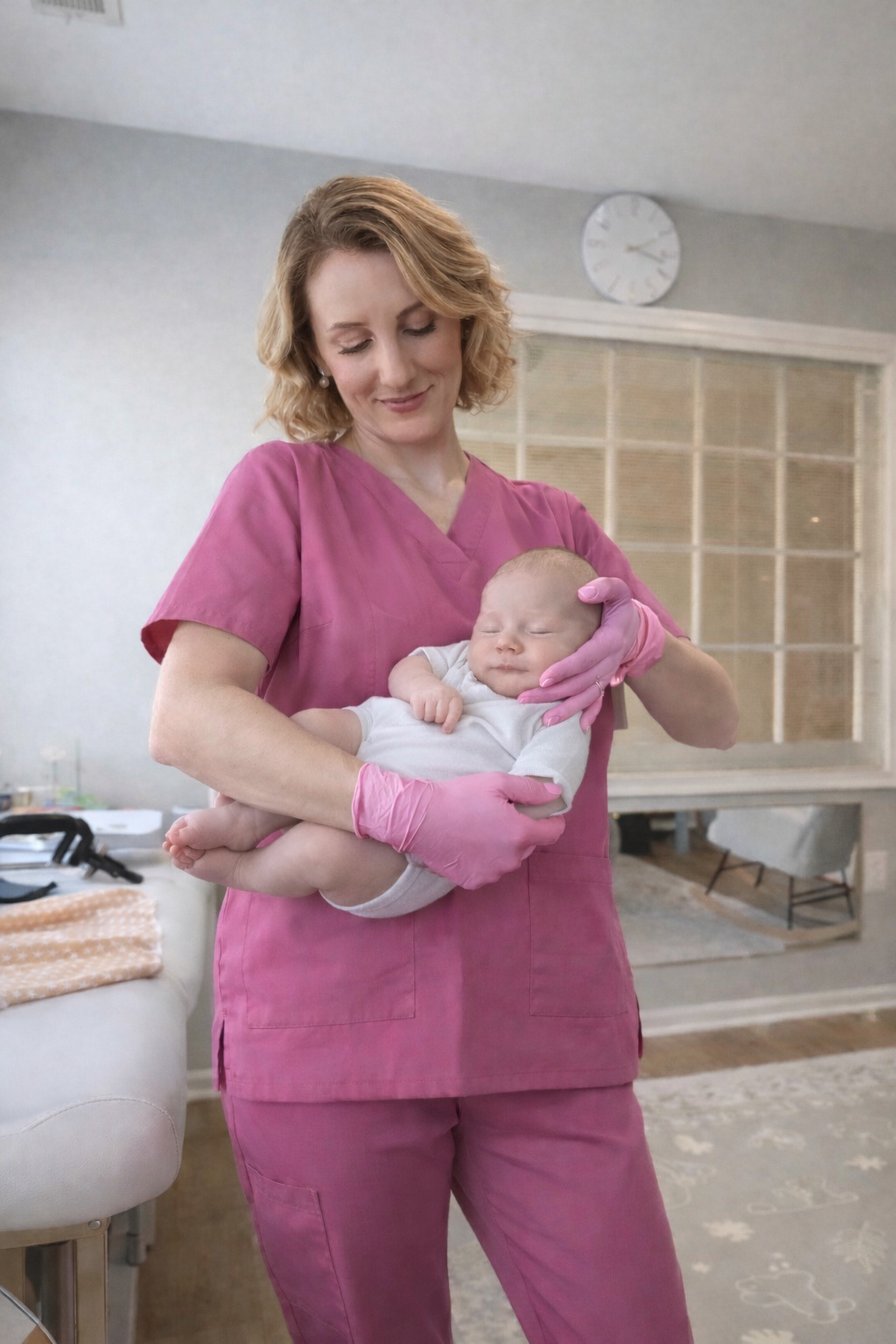

Is it a Tongue Tie or Is it Tension leading to Feeding Difficulties in Your Infant?
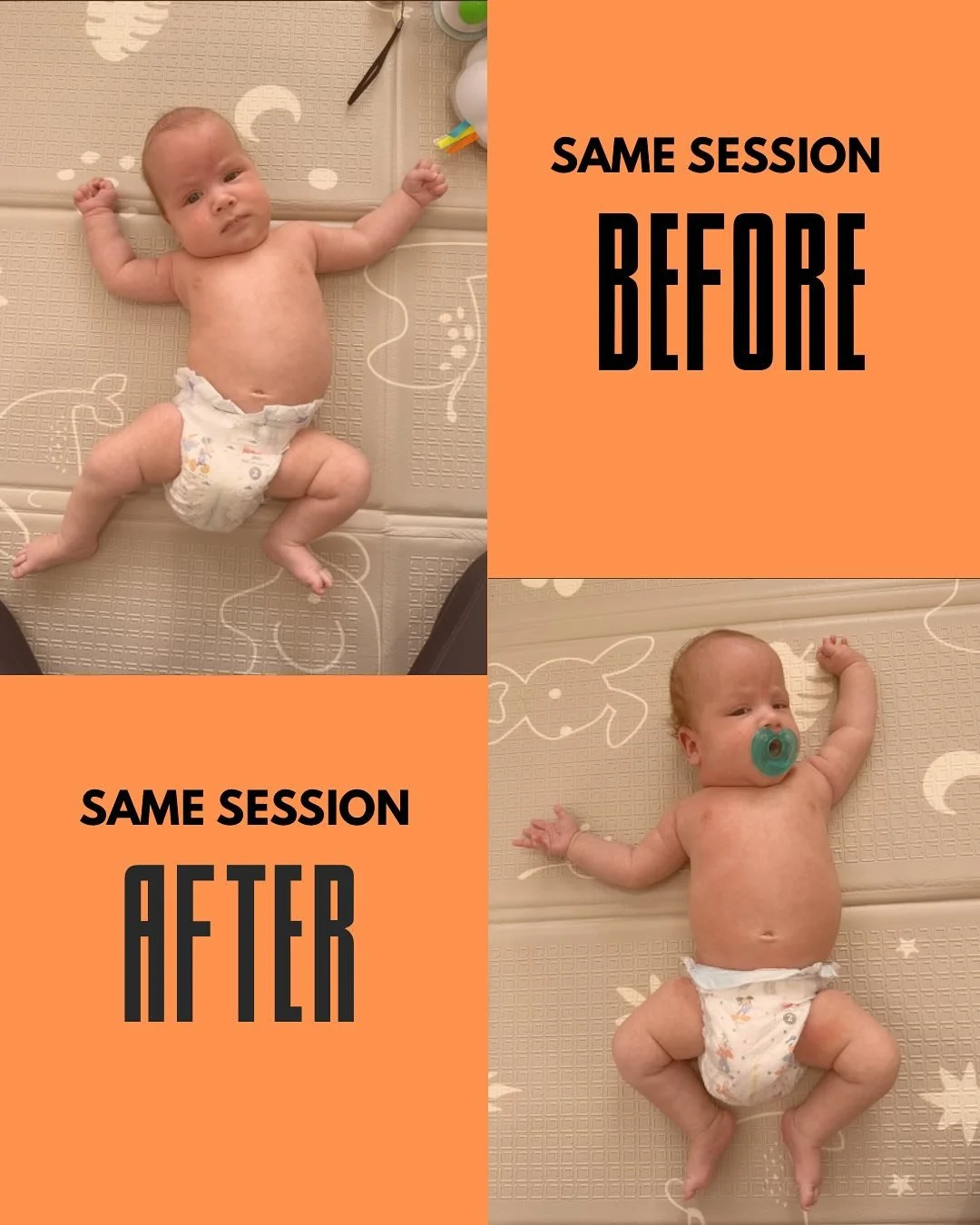
Oral and Body Tension Can Mimic a Tongue-Tie Even without an Actual Tie Present.
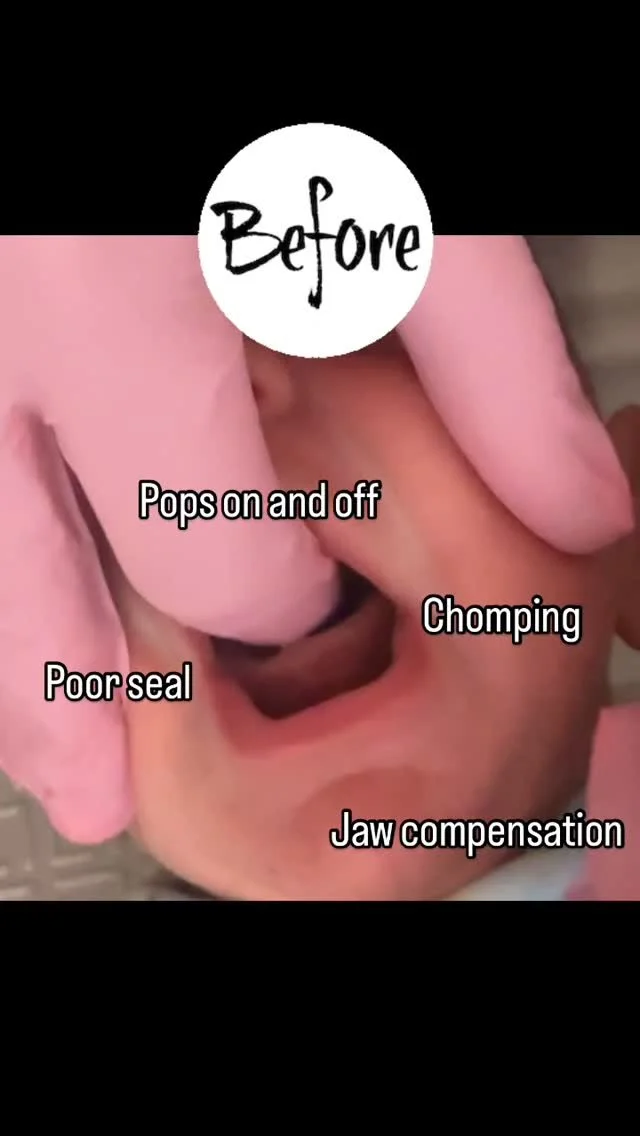
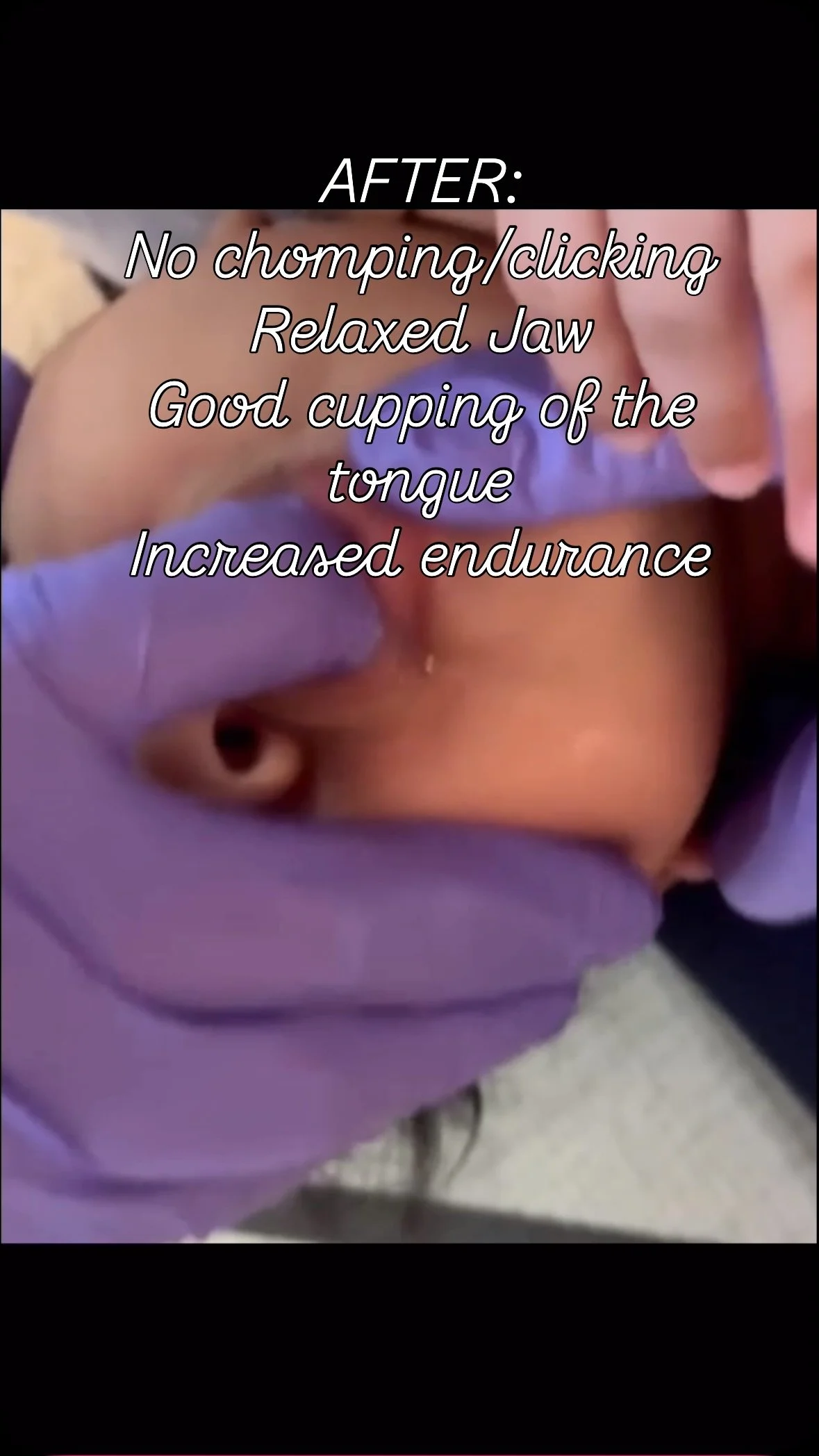
Feeding Challenges that Oral and Body Tension can cause:
Shallow Latch and Pain
Clicking Sounds
Gagging/Coughing
Poor Milk Transfer
Falling Asleep When Feeding
Tongue-Ties are Often Misdiagnosed.
Avoid Unnecessary Surgery by Addressing Tension and Function First.











FAQ’s
-
In order to provide prompt, high-quality, one-on-one care without visit limitations by insurance companies, Pediatric Movements is a cash-pay practice to be able to reach more families and to get them results fast without wait times. Super bill can be provided for possible out-of-network reimbursement.
-
Our first initial evaluation and treatment session can last 90 minutes, and follow up appointments are 60 minutes.
-
The length of treatment will vary depending on your baby’s age and the severity of the condition. During the initial evaluation, we’ll provide a personalized prognosis and an estimated treatment timeline. Most plans of care typically range from 4 to 6 visits, though this may be adjusted based on your child’s progress. Early intervention leads to faster improvement and more favorable outcomes across all conditions, so we encourage starting therapy as soon as concerns arise.